
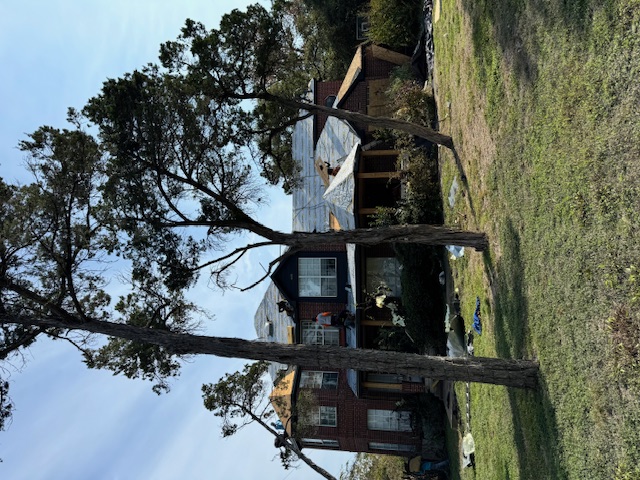
How to Check Your Roof for Hail Damage After an Austin Storm
Austin and Central Texas sit in the heart of "Hail Alley," a region stretching across the southern Great Plains where warm Gulf moisture collides with cold fronts to produce some of the most damaging hailstorms in the country. Between March and June, severe thunderstorms regularly sweep through Travis, Williamson, and Hays counties, leaving behind damage that ranges from cosmetic dings to total roof failures. Knowing how to check your roof after one of these storms can mean the difference between a quick repair and a costly replacement down the road.
When Does Hail Season Hit Austin?
While hail can technically fall any time of year in Central Texas, the peak season runs from mid-March through late May. April is historically the worst month, when the jet stream dips southward and unstable air masses produce supercell thunderstorms capable of generating hailstones the size of golf balls or larger. The 2024 and 2025 seasons brought multiple rounds of damaging hail to neighborhoods across North Austin, Round Rock, Cedar Park, and Pflugerville.
After any storm that produces hail larger than one inch in diameter, it is worth conducting a thorough inspection of your property. Even quarter-sized hail can compromise the integrity of asphalt shingles over time, particularly on roofs that are already ten or more years old.
Visible Signs of Hail Damage
You do not need to climb onto your roof to identify the first warning signs. Start with a ground-level walkthrough of your property and look for these indicators:
- Dented gutters and downspouts: Aluminum gutters are softer than roofing materials, so they often show damage first. Look for round dents, dings, or areas where the gutter edge has been bent.
- Damaged window screens and AC units: If hail tore through window screens or left dents on your outdoor HVAC condenser, your roof almost certainly took hits as well.
- Bruised or cracked shingles: Hail strikes leave dark, circular bruises on asphalt shingles where the granule coating has been knocked loose, exposing the black mat underneath. These marks are easier to see on lighter-colored shingles.
- Cracked or chipped tile: Concrete and clay tile roofs can crack or chip from large hailstones. Look for broken pieces on the ground or visible fractures along ridgelines.
- Dented metal panels: Standing-seam and corrugated metal roofs may show cosmetic dents. While metal roofs handle hail better overall, severe impacts can compromise panel seams.
- Granule accumulation in gutters: After a hailstorm, check your gutters and downspout discharge areas. Excessive granule buildup is a sign that your shingles have been compromised.
What a Professional Inspection Covers
A ground-level check will tell you whether damage is likely, but a qualified roofing contractor can provide a definitive assessment. During a professional hail-damage inspection, your roofer will climb the roof and look at several areas that are not visible from below.
They will check the shingle surface for soft spots and granule loss, inspect pipe boots and flashing for cracks, examine ridge caps and valleys where hail tends to channel, and assess the condition of roof vents and skylights. Most reputable roofers in Austin offer free storm-damage inspections because they understand the value of building trust with homeowners before any work begins.
When to File an Insurance Claim
If a professional inspection confirms hail damage, you generally have one to two years to file a claim under most Texas homeowner's insurance policies, though filing sooner is always better. Here are a few tips to keep the process smooth:
- Document everything: Take photos of damage from multiple angles, keep a record of the storm date, and save any hailstone size reports from local weather services.
- Contact your insurer promptly: Report the damage and request an adjuster visit. Your insurance company may have specific timelines and preferred documentation formats.
- Get an independent estimate: Before the adjuster arrives, ask your roofing contractor to provide a written damage assessment and repair estimate. This gives you a baseline to compare against the adjuster's findings.
- Do not sign anything from door-to-door solicitors: After major storms, out-of-town "storm chasers" canvas neighborhoods looking for quick contracts. Work only with local, licensed roofers you can verify.
Protect Your Home Before the Next Storm
Prevention is limited when it comes to hail, but you can take steps to minimize damage and speed up recovery. Keep your roof in good repair so that minor issues do not become major failures when a storm hits. Consider upgrading to impact-resistant shingles (Class 3 or Class 4) during your next replacement, which can also earn you a discount on your Texas homeowner's insurance premium. And maintain an up-to-date file of your roof's age, materials, and warranty information so you are prepared if you need to file a claim.
If a recent storm has passed through your Austin neighborhood, do not wait to have your roof inspected. Small hail damage left unaddressed can lead to leaks, mold, and structural problems that cost far more to fix later.
Need a Professional Roof Assessment?
Get a free instant estimate for your Austin home — no obligation, no pressure.
Get Your Instant Quote